10 Best Osd Audio Centre Channel Speakers Of 2026
Osd Audio Centre Channel Speakers — Reviews, Recommendations & Updated Buying Guide September 2026


OSD Audio IW525 Dual 5.25" In-Wall
おすすめの理由


Polk Audio TL1 センタースピーカー (黒) 並行輸入品
おすすめの理由

デイトンオーディオCCS-33B
おすすめの理由

Polk Audioデュアル5.25インチ双方向センターチャンネルイ
おすすめの理由

ポークオーディオ POLK AUDIO Monitor XTシリーズ
おすすめの理由

ポークオーディオ POLK AUDIO SIGNATURE
おすすめの理由
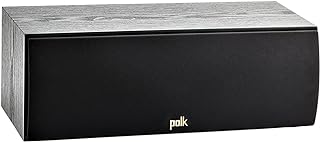
Polk T30 Centre Channel Speaker
おすすめの理由

ヤマハオーディオ NS-C210BL センターチャンネルスピーカー
おすすめの理由
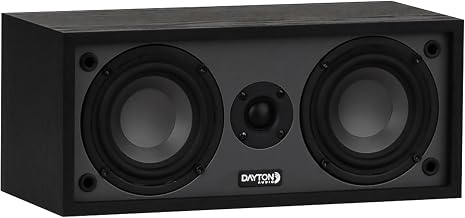
Dayton Audio Classic C40
おすすめの理由

Dayton Audio Classic C40 Center
おすすめの理由
クイックピック
10 Best Osd Audio Centre Channel Speakers Of 2026
クイックピック
OSD Audio IW525 Dual 5.25" In-Wall Center Channel LCR Speaker with Dual Woofers and Silk Dome Tweeter, 150W (Single)
Polk Audio TL1 センタースピーカー (黒) 並行輸入品
デイトンオーディオCCS-33B 3ウェイセンターチャンネルスピーカー - ブラック
Polk Audioデュアル5.25インチ双方向センターチャンネルインウォールスピーカー、255c-RT
ポークオーディオ POLK AUDIO Monitor XTシリーズ スリムセンタースピーカー マットブラック MXT35
ポークオーディオ POLK AUDIO SIGNATURE ELITE ES35 スリムセンタースピーカー(LCR)ブラウン ES35BRN
Polk T30 Centre Channel Speaker - Black
ヤマハオーディオ NS-C210BL センターチャンネルスピーカー - 各(ブラック)
Dayton Audio Classic C40 センターチャンネルスピーカー ブラック
Dayton Audio Classic C40 Center Channel Speaker (Wood Grain)
購入ガイド: Osd Audio Centre Channel Speakers
📋 目次
1What size centre channel speaker do I need for my room?
Match the speaker size to your viewing distance and room layout—smaller rooms (under 20 sq metres) work with compact models, while larger spaces benefit from bigger drivers for better vocal clarity across the seating area. If you already own OSD Audio main speakers, choose a centre channel with similar driver sizes for tonal consistency.
2What's the difference between a horizontal and vertical centre channel design?
Horizontal designs suit wider TV setups and blend better aesthetically in most living rooms, while vertical designs (rare for centre speakers) offer better integration with bookshelf arrangements. Horizontal mounting is the standard choice and works best for minimizing acoustic reflections from cabinet surfaces.
3How important is the crossover frequency specification for a centre channel?
Set your crossover between 80-100Hz to handle dialogue and midrange clearly while letting your subwoofer manage the low frequencies. Most AV receivers handle this automatically, so focus instead on impedance matching (typically 8 ohms) with your other speakers for consistent volume levels.
4Should I spend more on a centre channel than my main speakers?
No—your centre channel should typically match or be slightly less expensive than your main speakers since it handles only dialogue and centre-screen action. Overspending on the centre rarely delivers better results; consistency across all three front channels matters more than having one premium speaker.
5What connectivity and mounting options should I check before buying?
Verify it has standard binding posts (not just spring clips) for reliable connections, and check if the cabinet includes wall-mount brackets or if you need to buy them separately. Confirm the dimensions fit your TV stand or shelf space, as centre channels are typically deeper than they appear.
選び方について
編集者は製品を試し、それについて書くことを心から愛するメンバーです。各製品の実際の使いやすさと強みを比較し、最も重要な点を独自の「おすすめの理由」にまとめています。購入前に、大切なポイントがひと目でわかります。