10 Best Oled Monitor For Developer Of 2026
Oled Monitor For Developer — Reviews, Recommendations & Updated Buying Guide September 2026


ASUS ROG Strix XG27AQDMGR
おすすめの理由


UPERFECT Touchscreen OLED Portable
おすすめの理由

Samsung 49" Gaming Monitor G9
おすすめの理由

UPERFECT 4K OLED Portable Monitor
おすすめの理由
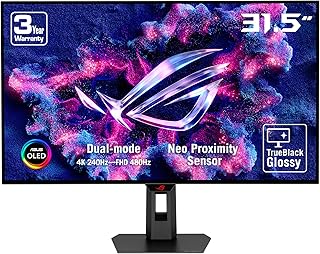
ASUS ROG Strix XG32UCWMG Monitor
おすすめの理由

ASUS ROG Strix XG27ACDNG 27"
おすすめの理由

Samsung Odyssey 27" OLED Gaming
おすすめの理由

ASUS ROG Swift OLED PG32UCDM Gen 3
おすすめの理由
クイックピック
10 Best Oled Monitor For Developer Of 2026
クイックピック
ASUS ROG Strix XG27AQDMGR - OLED-Monitor - Gaming - 68.6 cm (27")
UPERFECT Touchscreen OLED Portable Monitor 14", 3K 2880x1800 | 120Hz | 0.1ms Portable Gaming Monitor, 500 Nits |120% DCI-P3 | 500000:1 | Ultra-Slim Design for Laptop Mini PC Phone Game Consoles
Samsung 49" Gaming Monitor G9 (G91SD) Odyssey OLED Dual QHD (5120 x 1440) 144Hz Refresh Rate 0.03Ms Response Time, NVIDIA G-Sync Compatible, Height Adjustable, Silver(Amazon Exclusive)
UPERFECT 4K OLED Portable Monitor, 13.3" UHD 3840x2160 Laptop Display, 100% DCI-P3, 500 Nits, 1ms Response, Ultra-Slim Aluminum Design, USB-C & HDMI Travel Monitor for PC, Phone, Game Console
ASUS ROG Strix XG32UCWMG Monitor ―32" TrueBlack Glossy, Dual Mode (4K@240Hz, FHD@480Hz), 0.03ms, heatsink, OLED Care Pro, Neo Proximity Sensor, VESA DisplayHDR 400 True Black, USB-C, HDMI 2.1 | Dual Mode 4K@240Hz FHD @ 480Hz, 0.03ms, Sync-Tech, HDR 400 TrueBlack, USB-C, DP, HDMI. USB Hub
ASUS ROG Strix XG27ACDNG 27" QD-OLED QHD 360Hz 0.03ms Freesync Premium Pro G-Sync USB-C Gaming monitor | OLED Care Plus, Heatsink, 0.03ms, G-SYNC Compatible, 99% DCI-P3, Anti-Flicker, DisplayWidget Center, for PS5
Samsung Odyssey 27" OLED Gaming Monitor G6 G61SH QHD 240Hz Refresh Rate, 0.03Ms Response Time, Glare Free, Height Adjustable and Pivot, Safeguard+, FreeSync Premium Pro, LS27HG612SMXUE

ASUS ROG Strix OLED XG27AQDPG Monitor, 26.5-Inch Quad HD QD-OLED (2560x1440), 0.03ms (GTG), 500Hz, Anti-Flicker, G-Sync Compatible, HDMI, DisplayPort, USB Hub, DisplayWidget Center, Black | (2560 x 1440), 0.03ms Response Time, 280Hz, Compatible with G-Sync, USB Type-C, HDMI, DisplayPort, DisplayWidget Center

ASUS ROG Strix XG32UCWG, 31.5" 4K UHD OLED Gaming Monitor (3840 x 2160), 0.03ms Response Time, 165Hz, Compatible with G-SYNC, USB-C, DisplayPort, HDMI, Audio Jack, Display Widget Center, Black | (3840x2160), 0.03ms Response Time, 165Hz, Compatible with G-SYNC, USB-C, DisplayPort, HDMI, Audio Jack, DisplayWidget Center
ASUS ROG Swift OLED PG32UCDM Gen 3 32" 4K UHD QD-OLED Gaming Monitor, 240Hz, 0.03ms GTG, G-SYNC Compatible, FreeSync Premium Pro, HDMI 2.1, DisplayPort 1.4, USB-C 90W - Black
購入ガイド: Oled Monitor For Developer
📋 目次
1What resolution and size should I look for in an OLED monitor for development?
For developers, a 27-inch to 32-inch monitor with at least 1440p (QHD) resolution is ideal, offering sharp text and ample screen real estate for multiple windows. OLED’s pixel-level contrast makes code readability excellent, and 4K OLED models provide even more detail for multitasking or graphic-heavy workflows.
2Does OLED technology offer advantages over IPS or VA panels for developers?
Yes — OLED delivers perfect black levels and infinite contrast, which enhances readability in dark environments. Unlike IPS or VA panels, OLED has no backlight bleed, making long coding sessions more comfortable. However, OLED may have slightly slower response times, so check for 1ms or lower for smooth UI transitions.
3What refresh rate and input lag are important for a developer monitor?
A 60Hz refresh rate is standard and sufficient for most development tasks, but 120Hz or higher can be beneficial for video editing or testing animations. Look for a monitor with low input lag (under 5ms) to ensure responsiveness when using IDEs or debugging tools in real time.
4Are there specific color accuracy features I should prioritize?
For developers working with design or media, look for monitors with 100% sRGB or Adobe RGB color gamut coverage. OLED panels often have excellent color accuracy out of the box, but ensure the monitor supports factory calibration or has a built-in colorimeter for precise color management.
5What connectivity options are essential for an OLED monitor used by developers?
At minimum, look for HDMI 2.1 and DisplayPort 1.4 ports for high-resolution connections. USB-C with DisplayPort Alt Mode is a plus for docking stations. Multiple USB ports and support for dual or triple monitor setups can also improve productivity for developers working with multiple tools and windows.
選び方について
編集者は製品を試し、それについて書くことを心から愛するメンバーです。各製品の実際の使いやすさと強みを比較し、最も重要な点を独自の「おすすめの理由」にまとめています。購入前に、大切なポイントがひと目でわかります。