【2026年】フォーム ジャパニーズ マットレスのおすすめ10選
フォーム ジャパニーズ マットレスのレビュー・おすすめ・購入ガイド|2026年9月更新


MyeFoam マットレス 高反発 シングル 敷布団 硬さ180N
おすすめの理由


クモリ(Kumori) 三つ折りマットレス シングル 厚さ10cm
おすすめの理由
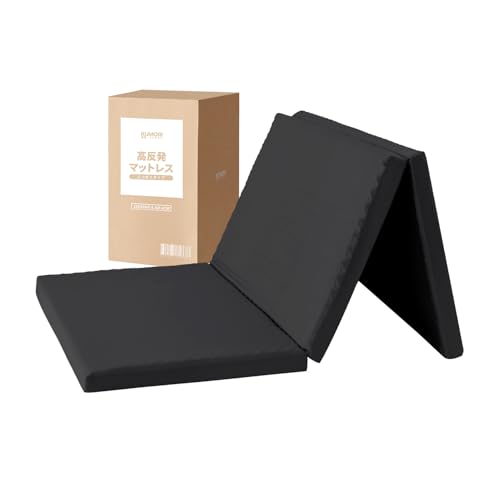
クモリ(Kumori) 三つ折りマットレス シングル 厚さ6cm
おすすめの理由

お布団工房 ごろ寝マット カバーセット(ブラウン) 寧々 創業150
おすすめの理由

アイリスプラザ(IRIS PLAZA) 丸ごと洗える敷き布団 日本製
おすすめの理由

INOSLEEP マットレス シングル 高反発 三つ折り 折りたたみ
おすすめの理由

Softime マットレス シングル 三つ折り【高密度34D
おすすめの理由
クイックピック
【2026年】フォーム ジャパニーズ マットレスのおすすめ10選
クイックピック
MyeFoam マットレス 高反発 シングル 敷布団 硬さ180N 腰の悩みから解放 寝返りサポート 防ダニ 抗菌防臭加工マットレス 厚さ3cm カバー洗える 収納袋付き
クモリ(Kumori) 三つ折りマットレス シングル 厚さ10cm 高反発 硬さ180N 体圧分散 寝返り軽減 滑り止め加工 折りたたみ グレー
クモリ(Kumori) 三つ折りマットレス シングル 厚さ6cm 高反発 硬さ180N 体圧分散 寝返り軽減 滑り止め加工 折りたたみ ブラック
お布団工房 ごろ寝マット カバーセット(ブラウン) 寧々 創業150 日本製 75✕195cm

エムリリー 優反発 マットレス シングル 高反発 折り畳み 厚さ8cm【公式直販】2層構造 体圧分散 超高密度50D 敷布団 MLILY
アイリスプラザ(IRIS PLAZA) 丸ごと洗える敷き布団 日本製 らくらく持ち運び 軽量3.1kg ヘタりにくい×程よい寝心地 厚み約9cm 抗菌防臭 防ダニ シングル ペイズリー柄ブルー
INOSLEEP マットレス シングル 高反発 三つ折り 折りたたみ 厚さ10cm 軽量 敷布団 ベッドマット 腰対策 通気性 洗える ふっくら

エムリリー 優反発 マットレス シングル 厚さ11cm【公式直販】高反発 2層構造 体圧分散 超高密度50D 敷布団 MLILY

Y K YUKO 融光【高反発 硬め220N 密度36D 厚手の防塵収納袋付き】三つ折りたたみマットレス 厚さ10cm シングルサイズ 高反発マットレス 体圧分散 腰痛対策 硬め 防滑・防湿・防水ボトム 梅雨対策 寝心地 敷布団 通気性 真空圧縮包装 グレー
Softime マットレス シングル 三つ折り【高密度34D 2層構造 200N/250N】高反発 超硬質 極厚10cm 97x195cm ホワイト
購入ガイド: フォーム ジャパニーズ マットレス
📋 目次
1What foam density should I look for in a Japanese futon mattress?
Opt for a foam density between 2.0 and 2.5 pounds per cubic foot for a balance of comfort and support. Higher density offers more durability and firmness, while lower density provides a softer feel, ideal for those who prefer a more plush sleeping surface.
2How does a Japanese futon mattress differ from a standard foam mattress?
Japanese futon mattresses are typically thinner and designed for use on a firm base, often paired with a traditional futon cushion. They prioritize breathability and lightweight construction, using materials like cotton or bamboo, whereas standard foam mattresses are thicker and often include layers for pressure relief and motion isolation.
3What thickness is best for a foam Japanese futon mattress?
A thickness of 4 to 6 inches is standard for foam Japanese futon mattresses, offering enough support without being too bulky. Thinner options (3 inches) are more portable, while thicker ones (7 inches or more) provide extra cushioning for those with back pain or who prefer a softer feel.
4Are there specific materials I should look for in a Japanese futon mattress?
Look for natural materials like cotton, bamboo, or organic wool for breathability and hypoallergenic properties. Foam cores should be made from open-cell memory foam or high-density polyurethane for comfort and durability, and avoid synthetic materials that may trap heat or cause allergies.
5Is a Japanese futon mattress suitable for all seasons?
Traditional Japanese futon mattresses are best suited for warmer months due to their minimal padding and breathability. For cooler seasons, pair them with a thick, insulating futon cushion or use a mattress cover with thermal properties to maintain comfort throughout the year.
選び方について
編集者は製品を試し、それについて書くことを心から愛するメンバーです。各製品の実際の使いやすさと強みを比較し、最も重要な点を独自の「おすすめの理由」にまとめています。購入前に、大切なポイントがひと目でわかります。