10 Best Windsurfing Boards Of 2026
Windsurfing Boards — Reviews, Recommendations & Updated Buying Guide October 2026

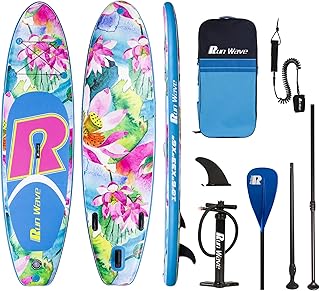
Runwave Inflatable Stand Up Paddle Board Non-Slip Deck with
Why We Love It


Inflatable Windsurfing Sail Professional Inflatable Paddle
Why We Love It

STWBHW Inflatable sail, inflatable paddle boards
Why We Love It

Inflatable SUP Paddle Windsurfing Board and Sail
Why We Love It

Hamwesh Kayak Sail
Why We Love It
Quick Pick
10 Best Windsurfing Boards Of 2026
Quick Pick
Runwave Inflatable Stand Up Paddle Board Non-Slip Deck with Premium SUP Accessories | Wide Stance, Bottom Fins for Surfing Control | Youth Adults Beginner
Inflatable Windsurfing Sail Professional Inflatable Paddle Board Windsurf Board with sail Windsurfing,360° Rotatable Base and Visualization Window
STWBHW Inflatable sail,inflatable paddle boards,freestanding paddle board,Inflatable wing foil,Windsurfing Wing Foil for Wind Wing Foiling,Surfing,Snow Ski Surfing,Water Play ( Size : 2.2 )
Inflatable SUP Paddle Windsurfing Board and Sail
Hamwesh Kayak Sail, Compact Foldable Design Easy Setup Quick Deploy Paddle Board Sail, Windsurfing with for Kayaks Canoes Paddleboards
Buying Guide: Windsurfing Boards
📋 Table of Contents
1How do I choose the right board size for my weight and skill level?
Board volume should be roughly 1.5 to 2 times your body weight in kilograms for beginners, while advanced riders use smaller boards with less volume. Heavier riders need more float to get going, but lighter boards are easier to maneuver once you're progressing.
2What's the difference between wave, freestyle, and freeride boards?
Wave boards are narrow and short for sharp turns in rough water, freestyle boards are extra wide and thick for tricks and stability, and freeride boards balance speed with control for general sailing. Your choice depends on where you'll be sailing and what style appeals to you most.
3Should I buy a used board or invest in a new one?
Used boards are fine if you're starting out and want to save money, but check for cracks, delamination, and dents that affect performance. New boards last longer and come with warranty, making them worth it if you're committed to the sport.
4What specs should I actually pay attention to when comparing boards?
Focus on volume (affects flotation), length (impacts speed and control), width (influences stability), and thickness (determines durability and weight). The shape and rocker profile matter too, but those are harder to assess without hands-on testing.
5Is carbon construction worth the extra cost over fiberglass?
Carbon boards are lighter, more responsive, and more durable, but significantly more expensive and less forgiving for learners. If you're spending time on the water regularly and value performance, carbon pays off; otherwise, quality fiberglass is a solid choice.
How we choose
Our editors are people who genuinely love testing and writing about products. We compare each product's real-world usability and strengths, then distill what matters most into our own "Why We Love It" points — so you get an honest, at-a-glance sense of what counts before you buy.