10 Best Sewing Machines Of 2026
Sewing Machines — Reviews, Recommendations & Updated Buying Guide October 2026

Brother Sewing Machine, JA1400
Why We Love It


Brother Sewing Machine, GS2700
Why We Love It
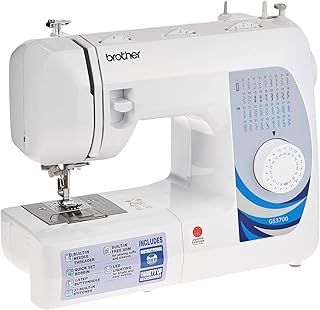
Brother Sewing Machine, GS3700
Why We Love It

Brother Sewing Machine Ja001
Why We Love It
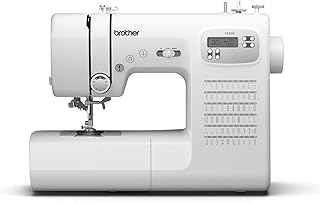
Brother FS60X Sewing Machine
Why We Love It

Singer 4411 Heavy Duty Sewing Machine
Why We Love It

Brother LS14S Metal Chassis Sewing Machine
Why We Love It

SINGER 1306 Start Sewing Machine
Why We Love It

Brother Sewing Machine, JK17B
Why We Love It

SINGER 1408 Sewing Machine
Why We Love It
Quick Pick
10 Best Sewing Machines Of 2026
Quick Pick
Brother Sewing Machine, JA1400, 14 Stitches, LED Light, Instructional DVD included
Brother Sewing Machine, GS2700, 27 Stitches, LED Sewing Light, Automatic Buttonhole Sewing
Brother Sewing Machine, GS3700, 37 Stitches, LED Sewing Light, Automatic Buttonhole Sewing
Brother Sewing Machine Ja001, Multi Color"Min 1 year manufacturer warranty"
Brother FS60X Sewing Machine | 60 built-in stitches | 7 one-step buttonholes
Singer 4411 Heavy Duty Sewing Machine, Grey
Brother LS14S Metal Chassis Sewing Machine, 43.9 x 18.9 x 36 cm White
SINGER 1306 Start Sewing Machine, White
Brother Sewing Machine, JK17B, 17 Stitches, LED Light, Instructional DVD included"Min 1 year manufacturer warranty"
SINGER 1408 Sewing Machine, White
Buying Guide: Sewing Machines
📋 Table of Contents
1What's the difference between mechanical and computerized sewing machines?
Mechanical machines use dials and levers to control stitches, are simpler to repair, and cost less — they're great if you just need basic sewing. Computerized machines offer automatic stitch selection, programmable patterns, and precise needle positioning, but they're pricier and need professional repairs if something goes wrong.
2How many stitches do I actually need?
For basic garment sewing and repairs, 20-30 stitch options are plenty. If you want to experiment with decorative work or quilting, aim for 100+ stitches, but most casual users won't use more than a handful of their machine's total stitch library.
3What should I check before buying a used sewing machine?
Test it on scrap fabric to listen for strange noises, check that the needle moves smoothly without wobbling, and verify all stitches work properly. Ask about maintenance history and whether you can get replacement parts or service locally, since older models can be hard to fix.
4Is it worth paying more for a heavy-duty machine?
Heavy-duty machines are worth the investment if you're sewing thick fabrics like denim, canvas, or leather regularly, as they handle tension better and last longer under heavy use. For light fabrics and occasional mending, a mid-range standard machine will do the job fine.
5What size sewing machine should I get for a small space?
Look for compact or portable models that weigh under 6-7 kg and fit on a standard desk — they work well for basic projects but may feel cramped for larger garments. If you plan to sew quilts or large pieces regularly, you'll need proper table space even if the machine itself is small.
How we choose
Our editors are people who genuinely love testing and writing about products. We compare each product's real-world usability and strengths, then distill what matters most into our own "Why We Love It" points — so you get an honest, at-a-glance sense of what counts before you buy.