10 Best Sewing Machine Of 2026
Sewing Machine — Reviews, Recommendations & Updated Buying Guide October 2026

Brother Sewing Machine, JA1400
Why We Love It


Brother Sewing Machine, GS2700
Why We Love It

Brother Sewing Machine Ja001
Why We Love It
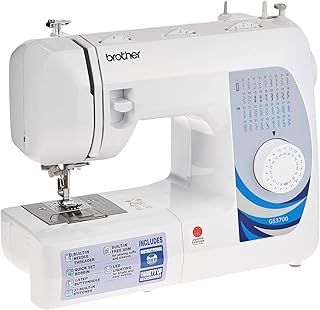
Brother Sewing Machine, GS3700
Why We Love It

Brother LS14S Metal Chassis Sewing Machine
Why We Love It
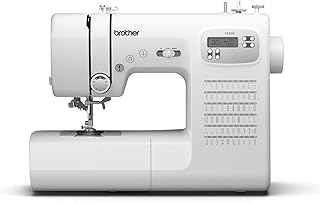
Brother FS60X Sewing Machine
Why We Love It

Singer 4411 Heavy Duty Sewing Machine
Why We Love It

Brother Sewing Machine, JK17B
Why We Love It

SINGER 1306 Start Sewing Machine
Why We Love It

SINGER 1408 Sewing Machine
Why We Love It
Quick Pick
10 Best Sewing Machine Of 2026
Quick Pick
Brother Sewing Machine, JA1400, 14 Stitches, LED Light, Instructional DVD included
Brother Sewing Machine, GS2700, 27 Stitches, LED Sewing Light, Automatic Buttonhole Sewing
Brother Sewing Machine Ja001, Multi Color"Min 1 year manufacturer warranty"
Brother Sewing Machine, GS3700, 37 Stitches, LED Sewing Light, Automatic Buttonhole Sewing
Brother LS14S Metal Chassis Sewing Machine, 43.9 x 18.9 x 36 cm White
Brother FS60X Sewing Machine | 60 built-in stitches | 7 one-step buttonholes
Singer 4411 Heavy Duty Sewing Machine, Grey
Brother Sewing Machine, JK17B, 17 Stitches, LED Light, Instructional DVD included"Min 1 year manufacturer warranty"
SINGER 1306 Start Sewing Machine, White
SINGER 1408 Sewing Machine, White
Buying Guide: Sewing Machine
📋 Table of Contents
1What's the difference between mechanical and computerized sewing machines?
Mechanical machines use dials and levers to control stitches—they're simpler, more durable, and easier to repair. Computerized machines have built-in stitch patterns and automation features like automatic threading, making them faster for complex projects but more expensive if something breaks.
2How many stitches do I actually need for basic home sewing?
Most home sewers only use 5-10 basic stitches regularly: straight stitch, zigzag, and a few decorative options. Buying a machine with 200+ stitches usually means wasted features unless you're doing specialized embroidery or quilting work.
3What should I check when looking at sewing speed and power?
Look for machines that sew between 800-1000 stitches per minute for general use—faster than this is mainly marketing. More important is checking the motor power and needle strength, which affect how well it handles thicker fabrics like denim or canvas.
4When is it worth spending more on a sewing machine?
Invest more if you plan to sew regularly, work with heavy fabrics, or need consistent stitch quality. Budget machines often have weak motors and tension problems that become frustrating quickly, but if you're sewing once a month on cotton, a basic model is fine.
5What size sewing machine should I get for my space?
If storage is limited, compact machines work fine for small projects, but they're harder to maneuver large pieces like curtains or quilts. A mid-sized machine with a decent work surface (around 40cm) gives you flexibility without taking over your desk.
How we choose
Our editors are people who genuinely love testing and writing about products. We compare each product's real-world usability and strengths, then distill what matters most into our own "Why We Love It" points — so you get an honest, at-a-glance sense of what counts before you buy.