10 Best Portable Power Stations Of 2026
Portable Power Stations — Reviews, Recommendations & Updated Buying Guide October 2026


Toby’s TBS 50A 50000MAH Rechargeable 220V Power Inverter
Why We Love It


EF ECOFLOW Trail 300 DC Portable Power Station
Why We Love It

STANLEY J7C09D Digital Portable Power Station Jump Starter:
Why We Love It

Solar Power Bank 20000mAh USB C Portable Charger mini Small
Why We Love It

Powerology PATER IV 2000W Portable Power Station
Why We Love It

Anker Prime Power Bank and Charging Base
Why We Love It
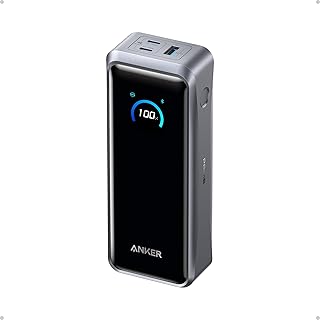
Anker Prime Power Bank
Why We Love It
Quick Pick
10 Best Portable Power Stations Of 2026
Quick Pick
Toby’s TBS 50A 50000MAH Rechargeable 220V Power Inverter with Camping Battery
EF ECOFLOW Trail 300 DC Portable Power Station, 288Wh Ultra-light LiFePO4 Battery with Handle, 300W Solar Generator, Fast Charge,Output Port, Drop-Proof, Solar/Car Input for Camping/Travel
STANLEY J7C09D Digital Portable Power Station Jump Starter: 1400/700 Instant Amps, 120 PSI Air Compressor, 3.1A USB Ports, Battery Clamps
Solar Power Bank 20000mAh USB C Portable Charger mini Small Solar Panel Power Station,Fast Charging Cell Phone Delivery for iphone 17-12 Series,Samsung,Gift for Men Women and More (Orange 1)
Powerology PATER IV 2000W Portable Power Station, 1102.5Wh 294000mAh Solar Generator, 4500W Peak, PD 100W USB-C, 15W Wireless, MPPT Solar Input, LCD Display, Grey
Anker Prime Power Bank and Charging Base, 26,250mAh 300W Max Portable Charger with Base for 6 Devices, Two-Way Charging, Flight-Approved, App Control, For MacBook, iPhone 17/16/15 Series, and More
Anker Prime Power Bank, 26,250mAh 3-Port Portable Charger | with 300W Max Output, Two-Way Charging, TSA-Approved, App Control, for MacBook, iPhone 17/16 Series (Base Not Included)
Buying Guide: Portable Power Stations
📋 Table of Contents
1How do I know what capacity I actually need?
List the devices you'll power most (laptop, phone, fridge, lights) and check their watt requirements, then multiply by hours of use—a 500Wh station runs a 100W device for 5 hours. If you're camping for a weekend, 500-1000Wh usually covers phones and small appliances; for serious off-grid use, go 2000Wh or higher.
2What's the difference between lithium and LiFePO4 batteries?
LiFePO4 batteries last 3-5 times longer (5000+ charge cycles vs 1000) and are safer, but cost more upfront. If you plan to use your power station regularly for years, LiFePO4 offers better long-term value despite the higher initial cost.
3Should I worry about wattage vs capacity?
Capacity (Wh) tells you how long you can run things; wattage (W) tells you what devices you can actually power at the same time. A 1000Wh station with only 500W output can't run a microwave (typically 1000W), so check both specs against your heaviest device.
4Is it worth paying extra for fast charging?
Fast charging (solar or wall outlet) matters if you need the station ready quickly between uses, but if you're mainly charging it once and using it for days, standard charging is fine. Consider your actual usage—weekend campers benefit less than people doing frequent short trips.
5What features actually matter and which are just extras?
Must-haves are enough AC outlets for your devices, solid battery capacity, and reliable charging speed; nice-to-haves like wireless charging or built-in lights add little real value. Focus on performance specs and how easy the unit is to carry, since portability defeats itself if the station is awkward to move.
How we choose
Our editors are people who genuinely love testing and writing about products. We compare each product's real-world usability and strengths, then distill what matters most into our own "Why We Love It" points — so you get an honest, at-a-glance sense of what counts before you buy.