10 Best Drawknives Of 2026
Drawknives — Reviews, Recommendations & Updated Buying Guide October 2026

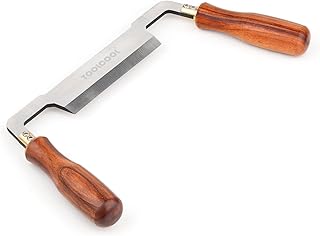
TOOLCOOL Draw Knife Debarking Tool Tree Bark Removal Tool
Why We Love It


Wisemen Mueller Drawknife 9-1/2 inch Forged in Austria
Why We Love It

Two Cherries 500-1320 225-Millimeter Drawknife with Straight
Why We Love It

Stubai Drawknife, Natural Handles With Leather Sheath
Why We Love It

Morakniv Classic Draw Knife
Why We Love It

10 Inches Straight Draw Shave Tool
Why We Love It

Stubai Drawknife, Made In Austria
Why We Love It

Draw Knife Debarking Tool
Why We Love It

STRYI drawknife 5.9 inch (150mm) cut length
Why We Love It

Ox-Head KR3752500 10" x 1-3/8" Straight Drawknife
Why We Love It
Quick Pick
10 Best Drawknives Of 2026
Quick Pick
TOOLCOOL Draw Knife Debarking Tool Tree Bark Removal Tool Hardwood Handle 4.3 Inch Straight Blade Drawknife Woodworking Tool
Wisemen Mueller Drawknife 9-1/2 inch Forged in Austria
Two Cherries 500-1320 225-Millimeter Drawknife with Straight Blade
Stubai Drawknife - Natural Handles With Leather Sheath - Made In Austria
Morakniv Classic Draw Knife, Stainless Steel Wood Splitting and Wood Carving Knife, 4.5 Inch
10 Inches Straight Draw Shave Tool
Stubai Drawknife - Made In Austria - With American Made Leather Sheath
Draw Knife Debarking Tool - German Made Wood Scraper for Woodworking Tools and Equipment - Shave Drawknife Wood Stripper Curved Tree Bark Peeler Bush Craft Gear and Equipment by Kings County Tools
STRYI drawknife 5.9 inch (150mm) cut length, Woodworking hand tool, Shaving knife for cutting wood comes sharp enough to shave with!
Ox-Head KR3752500 10" x 1-3/8" Straight Drawknife, Black/Silver
Buying Guide: Drawknives
📋 Table of Contents
1What's the difference between a straight blade and a curved blade drawknife?
Straight blades work better for general shaping and removing material in straight lines, while curved blades are designed for hollowing and following contours on spoons or bowls. Choose curved if you're doing detailed woodcarving, and straight for basic stock removal and flat surfaces.
2How do I know what blade width I need?
Narrower blades (1-2 inches) give you better control for detailed work and curved surfaces, while wider blades (3-4 inches) remove material faster on flat stock. Start with a 2-inch blade if you're new—it handles most general woodworking tasks without being unwieldy.
3What should I check about the handle quality before buying?
Look for handles made from hardwood like ash or beech that won't splinter under pressure, and make sure they're well-sealed to resist moisture. The handles should feel balanced and comfortable in both hands since you'll be pulling toward yourself with real force.
4When is it worth spending more on a premium drawknife?
Premium models offer better steel that stays sharp longer and handles that are more ergonomic for extended use, which matters if you're doing serious spoon carving or restoration work. Budget drawknives are fine for occasional use or learning, but upgrade if you find yourself sharpening constantly or experiencing hand fatigue.
5What blade thickness and steel type should I look for?
High-carbon steel (around 1095 or similar) holds an edge better than stainless and is easier to sharpen, though it requires more maintenance. Look for blades around 3-5mm thick—thick enough to withstand pressure without flexing, but not so thick that it's hard to control.
How we choose
Our editors are people who genuinely love testing and writing about products. We compare each product's real-world usability and strengths, then distill what matters most into our own "Why We Love It" points — so you get an honest, at-a-glance sense of what counts before you buy.