10 Best Digital Pianos Of 2026
Digital Pianos — Reviews, Recommendations & Updated Buying Guide September 2026


Roland Digital Piano RP-30
Why We Love It


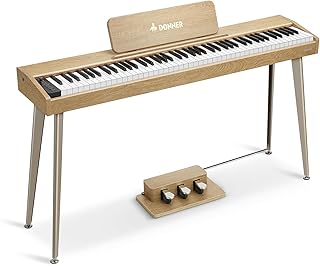
Donner Digital Piano Keyboard Weighted 88 Keys with Piano
Why We Love It
DONNER DDP-60 Digital piano
Why We Love It

Portable Foldable 88-Key Piano Semi-Weighted Keys with
Why We Love It

Yamaha P145B DIGITAL PIANO
Why We Love It

Kmise, 61-Key Digital Pianos-Home
Why We Love It

Donner DDP-80 Digital Piano Keyboard 88 Keys Weighted
Why We Love It

Alesis Recital Play 88-Key Piano Keyboard Bundle | Portable
Why We Love It

Casio Tone Cts200 White
Why We Love It

Bewinner 88 Key Digital Piano Keyboard
Why We Love It
Quick Pick
10 Best Digital Pianos Of 2026
Quick Pick
Roland Digital Piano RP-30
Donner Digital Piano Keyboard Weighted 88 Keys with Piano Stand, Beginner Home Electric Piano with Furniture Stand and Triple Pedal, DEP-20 Real Piano Touch
DONNER DDP-60 Digital piano
Portable Foldable 88-Key Piano Semi-Weighted Keys with Sustain Pedal Touch-Sensitive Keys and Bluetooth, Dual Stereo Speakers Folding Digital Piano for home park classroom
Yamaha P145B DIGITAL PIANO
Kmise, 61-Key Digital Pianos-Home, Portable Electric Keyboard for Beginners
Donner DDP-80 Digital Piano Keyboard 88 Keys Weighted, Hammer Action II, Home Electric Piano Full Size with Stand, Triple Pedal, MIDI Connecting and Headphone Interface, Walnut Wood Color
Alesis Recital Play 88-Key Piano Keyboard Bundle | Portable, 480 Voices, Split/Layer Modes, Includes Lessons, Stand, Sustain Pedal, Headphones, Carry Bag, for Beginners
Casio Tone Cts200 White, Ct-S200We
Bewinner 88 Key Digital Piano Keyboard, Portable Foldable Electric Piano Keyboard with Semi Weighted Keys, HiFi Stereo Sound, USB Folding Piano Keyboard for
Buying Guide: Digital Pianos
📋 Table of Contents
1What's the difference between weighted and unweighted keys on a digital piano?
Weighted keys simulate the hammer action of an acoustic piano, making them better for learning proper technique and feeling more realistic. Unweighted keys are lighter and faster to play, which works fine for casual use or jazz, but they won't prepare your fingers for playing a real acoustic piano.
2How many keys do I actually need?
Most pianists are fine with 88 keys since that matches an acoustic piano and covers virtually all pieces. If space is tight or you're just starting out casually, 61 keys works, but you'll hit limitations with classical or advanced music.
3What's the difference between stage pianos and home digital pianos?
Stage pianos are built for portability and live performance with fewer sounds and features, while home pianos have more built-in sounds, recording options, and learning features. Choose a stage piano if you're gigging or jamming with others; pick a home model if you want versatility and practice tools.
4Does the number of voices and sounds really matter?
Having 100+ voices sounds impressive but most people use just 5-10 regularly—what matters is the quality of those core sounds (piano, strings, electric piano). Spend less on voice count and more on sound quality and key action instead.
5When should I spend more on a digital piano?
Invest more if you're a serious student or performer, since better key action and speakers will make a real difference in your playing experience. Budget models are fine for beginners testing the waters, but upgrading becomes worthwhile once you're committed to learning.
How we choose
Our editors are people who genuinely love testing and writing about products. We compare each product's real-world usability and strengths, then distill what matters most into our own "Why We Love It" points — so you get an honest, at-a-glance sense of what counts before you buy.