10 Best Digital Piano Of 2026
Digital Piano — Reviews, Recommendations & Updated Buying Guide September 2026


Roland Digital Piano RP-30
Why We Love It


Donner Digital Piano Keyboard Weighted 88 Keys with Piano
Why We Love It
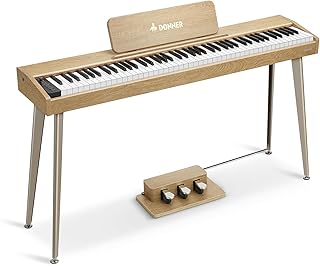
DONNER DDP-60 Digital piano
Why We Love It

Donner DDP-80 Digital Piano Keyboard 88 Keys Weighted
Why We Love It

Yamaha P145B DIGITAL PIANO
Why We Love It

Artesia Pro A100 Digital Piano
Why We Love It

Yamaha PSR-F52 Digital Keyboard Black
Why We Love It

CAHAYA 88-Key Digital Piano
Why We Love It

Digital Piano 88 Keys Weighted
Why We Love It
Quick Pick
10 Best Digital Piano Of 2026
Quick Pick
Roland Digital Piano RP-30
Donner Digital Piano Keyboard Weighted 88 Keys with Piano Stand, Beginner Home Electric Piano with Furniture Stand and Triple Pedal, DEP-20 Real Piano Touch
DONNER DDP-60 Digital piano
Donner DDP-80 Digital Piano Keyboard 88 Keys Weighted, Hammer Action II, Home Electric Piano Full Size with Stand, Triple Pedal, MIDI Connecting and Headphone Interface, Walnut Wood Color
Yamaha P145B DIGITAL PIANO
Artesia Pro A100 Digital Piano, 88 Keys, Glossy Black, with USB and Dual Headphone Ports
Yamaha PSR-F52 Digital Keyboard Black - Compact Digital Keyboard for Beginners with 61 Keys, 144 Instrument Sounds and 158 Accompaniment Styles
CAHAYA 88-Key Digital Piano – Semi-Weighted Electric Piano for Beginners with Double X Stand, 3 Pedals and Music Stand
Digital Piano 88 Keys Weighted,Electric Piano Portable Keyboard with Furniture Stand, Triple Pedals, Supports USB-MIDI Connecting,For Adults Children and Beginners (White)
Buying Guide: Digital Piano
📋 Table of Contents
1What's the difference between 61 keys, 88 keys, and weighted keys?
61 keys is fine for beginners learning melodies, but 88 keys (full piano range) is essential if you plan to play real piano pieces or progress seriously. Weighted keys simulate acoustic piano resistance and are crucial for developing proper finger technique—budget models often skip this, so check before buying.
2How important is touch sensitivity and sound quality in a digital piano?
Touch sensitivity matters if you want expressive playing where soft and hard touches produce different volumes; it's nearly non-negotiable for anyone serious about music. Sound quality varies hugely between brands, so listen to demos of models in your price range since you'll hear those samples constantly while practicing.
3What specs should I prioritize: polyphony, effects, or connectivity?
Polyphony (how many notes play simultaneously) needs to be at least 64 to avoid cut-off sounds, though 128+ is better. Effects and connectivity matter less for pure learning, but USB/MIDI ports are useful if you want to record or connect to a computer later.
4Should I buy a stand-alone digital piano or a keyboard with a stand?
Stand-alone models have built-in stands and better speakers, making them feel more like real pianos and easier to place in rooms. Budget keyboards need separate stands and external speakers, so factor those costs in—they're better only if you need portability or plan to use it live.
5When is it worth spending more on a digital piano?
Invest more if you're serious about learning (better weighted action and sound quality make practice more rewarding) or if you'll perform publicly. Entry-level models are fine for casual playing or testing interest, but jumping from a cheap keyboard to a mid-range piano makes a noticeable difference in feel and motivation.
How we choose
Our editors are people who genuinely love testing and writing about products. We compare each product's real-world usability and strengths, then distill what matters most into our own "Why We Love It" points — so you get an honest, at-a-glance sense of what counts before you buy.