10 Best Clinical Thermometers Of 2026
Clinical Thermometers — Reviews, Recommendations & Updated Buying Guide September 2026


Beurer FT 09/1 Clinical Digital Thermometer
Why We Love It


Trister Digital Thermometer 20‑Sec Flexi Tip TS‑205TF
Why We Love It

Fitto Thermometer Analog 19.6x4.6cm
Why We Love It

Beurer FT 85 Non-Contact Clinical Thermometer
Why We Love It

TRISTER - Digital Thermometer 20 Sec. Rigid Tip: Ts-215tr
Why We Love It

2Pcs Glass Thermometer Clinical Mercury Free Traditional
Why We Love It
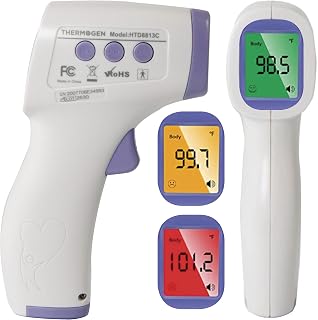
Non Contact No Touch Thermometer for Kids
Why We Love It

Non-Contact Digital Infrared Thermometer for Forehead Ear
Why We Love It

Trister Digital Thermometer 10‑Second Flexi Tip
Why We Love It

Trister Digital Thermometer (TS 202TDC)
Why We Love It
Quick Pick
10 Best Clinical Thermometers Of 2026
Quick Pick
Beurer FT 09/1 Clinical Digital Thermometer – Waterproof | Contact Measurement in 30 Seconds | Fever Alert | Memory Recall | 5 Year Warranty
Trister Digital Thermometer 20‑Sec Flexi Tip TS‑205TF - Flexible Tip for Oral/Underarm/Rectal Use, Fever Alarm, Auto‑Off, °C/°F Display, Last Memory Recall
Fitto Thermometer Analog 19.6x4.6cm - Clinical Body Temperature Tester
Beurer FT 85 Non-Contact Clinical Thermometer | Digital Infrared Thermometer | Hygienic and Safe Measurement of Body Temperature | in-Built Memory Capacity | 5 Year Warranty
TRISTER - Digital Thermometer 20 Sec. Rigid Tip: Ts-215tr
2Pcs Glass Thermometer Clinical Mercury Free Traditional Thermometer Dual Scale Mercury Free C&F 2Pk
Non Contact No Touch Thermometer for Kids
Non-Contact Digital Infrared Thermometer for Forehead Ear and Body Temperature LCD IR Body Forehead Thermometer Accurate Instant Readings Temperature Gun for Baby, Children, Adults (Purple)
Trister Digital Thermometer 10‑Second Flexi Tip - Fever Alarm, Auto Off, Last‑Reading Recall, Flexible Tip for Oral/Rectal/Underarm Use
Trister Digital Thermometer (TS 202TDC) - For Oral & Rectal & Underarm Use, Flexible Tip, Quick & Accurate Result, Lcd Display, Auto Switch Off, Fever Alarm, BPA Free
Buying Guide: Clinical Thermometers
📋 Table of Contents
1What temperature range should I look for in a clinical thermometer?
Clinical thermometers typically measure between 32°C to 45°C (90°F to 113°F), with some models extending to 50°C (122°F) for fever tracking. Ensure the device has a clear digital readout and accurate calibration for precise readings, especially for infants or patients with fluctuating temperatures.
2What’s the difference between digital and infrared thermometers?
Digital thermometers require placement under the tongue, in the ear, or on the forehead and take 30-60 seconds to read. Infrared thermometers use sensors to detect heat from the forehead or ear canal and provide instant readings. Infrared models are faster and more convenient for frequent use, but digital models are often more accurate for core body temperature.
3How accurate should a clinical thermometer be for medical use?
For clinical use, look for thermometers with an accuracy of ±0.1°C (±0.2°F) or better. This level of precision is essential for diagnosing fevers or monitoring patients with chronic conditions. Always check for medical-grade certification, such as CE or FDA approval, to ensure reliability.
4What features are worth paying more for in a clinical thermometer?
Features like memory storage, fever alerts, and automatic shut-off are valuable for tracking temperature trends or reducing user error. A backlit display improves readability in low light, and a waterproof design is essential for hygiene and ease of cleaning, especially in clinical settings.
5Are there any common mistakes to avoid when buying a clinical thermometer?
Avoid models with unclear temperature units (Fahrenheit vs. Celsius) or those that lack a clear calibration date. Also, be wary of cheap thermometers that may not meet medical standards. Always verify that the thermometer is suitable for the intended use, such as oral, ear, or forehead measurements, and read reviews for real-world performance.
How we choose
Our editors are people who genuinely love testing and writing about products. We compare each product's real-world usability and strengths, then distill what matters most into our own "Why We Love It" points — so you get an honest, at-a-glance sense of what counts before you buy.