10 Best Classical Guitars Of 2026
Classical Guitars — Reviews, Recommendations & Updated Buying Guide September 2026


Yamaha Classical Guitar, Brown
Why We Love It


Yamaha C40II Classical Guitar
Why We Love It

Yamaha CX40 Classical Electro Acoustic Guitar
Why We Love It
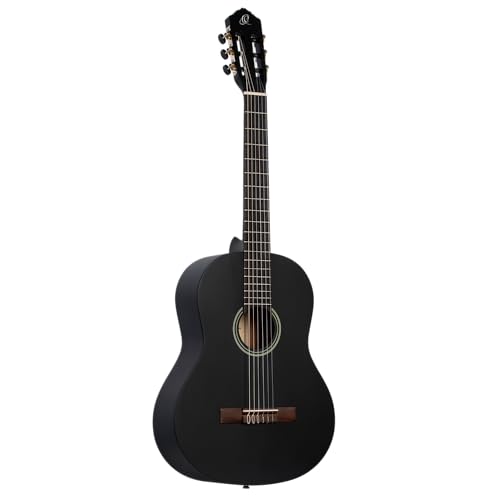
Ortega Guitars Student Series 6 String Classical Guitar
Why We Love It

Fender FA-25N Classical Acoustic Guitar
Why We Love It

Music Alley MA34-N Classical Junior Acoustic Guitar for Kids
Why We Love It

Gewa classical guitar Student Cedar 4/4 natur
Why We Love It

Valencia Classical Guitar - (Blue Burst
Why We Love It
Quick Pick
10 Best Classical Guitars Of 2026
Quick Pick
Yamaha Classical Guitar, Brown - C40
Yamaha C40II Classical Guitar, Full Size With Rosewood Fingerboard and Bridge, Natural
Yamaha CX40 Classical Electro Acoustic Guitar
Ortega Guitars Student Series 6 String Classical Guitar, Right (RST5MBK)
Fender FA-25N Classical Acoustic Guitar, Walnut Fretboard, Natural
Music Alley MA34-N Classical Junior Acoustic Guitar for Kids, 34 Inch, Natural Brown | 3/4 inch nylon string guitar with online lesson for young beginners, school and practice at home
Gewa classical guitar Student Cedar 4/4 natur
Valencia Classical Guitar - (Blue Burst,3/4 Size)
Buying Guide: Classical Guitars
📋 Table of Contents
1What's the difference between solid wood and laminated classical guitars?
Solid wood guitars have better sound quality and tonal depth because the wood vibrates more freely, while laminated guitars are more durable and resistant to humidity changes—making them ideal if you live in a dry or humid climate. Solid wood is worth the investment if you plan to play seriously; laminated works fine for beginners.
2How do I choose the right size classical guitar?
Full-size (4/4) suits most adults and older teenagers, while 3/4 works better for younger kids or people with smaller frames. Try holding a few different sizes to see what feels comfortable—your arm should reach the frets without strain.
3What should I check when inspecting a classical guitar before buying?
Look for cracks or warping in the body and neck, check that the action (string height) isn't too high, and pluck each string to ensure none are buzzing or dead. The neck should be straight without any twists, and the frets should be level.
4When is it worth spending more on a classical guitar?
Higher prices usually mean better wood quality, superior craftsmanship, and improved sound projection and sustain—worth it if you're past the beginner stage and play regularly. Budget models are fine for learning, but once you can commit to consistent practice, a mid-range guitar will motivate you and sound noticeably better.
5What's the difference between nylon strings and other materials on classical guitars?
Classical guitars use nylon strings, which produce a warm, mellow tone and are gentler on your fingers than steel strings. Some higher-end models use carbon fiber or composite strings for added brightness and durability, but traditional nylon is standard and what you should expect.
How we choose
Our editors are people who genuinely love testing and writing about products. We compare each product's real-world usability and strengths, then distill what matters most into our own "Why We Love It" points — so you get an honest, at-a-glance sense of what counts before you buy.