10 Best Arbor Presses Of 2026
Arbor Presses — Reviews, Recommendations & Updated Buying Guide October 2026


SKMZ Leather Hole Puncher Hand Press Manual Punch Arbor
Why We Love It


VEVOR Arbor Press, 1 Ton Manual Arbor Press
Why We Love It

Leather Hole Puncher Hand Punching Manual Punch Arbor
Why We Love It

HHIP 8600-0031 Heavy Duty Arbor Press
Why We Love It
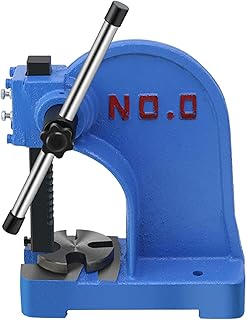
Arbor Press 0.5 Ton
Why We Love It

Arbor Press 1 Ton
Why We Love It

Manual Desktop Hand Punch Press Machine Arbor Press Tool For
Why We Love It

KAKA Industrial AP-1/2 Arbor Press
Why We Love It

Arbor Press 1 Ton
Why We Love It

1 Ton Manual Arbor Press
Why We Love It
Quick Pick
10 Best Arbor Presses Of 2026
Quick Pick
SKMZ Leather Hole Puncher Hand Press Manual Punch Arbor Press Punching Tool | Ductile Iron Base, DIY Parts Punching, Cutting, Forming Pressing (Round Head Press)
VEVOR Arbor Press, 1 Ton Manual Arbor Press, 5.9" Maximum Height, Cast Iron Heavy-duty Manual Desktop Arbor Press, Precision Hand Press for Stamping, Bending, Stretching, Forming
Leather Hole Puncher Hand Punching Manual Punch Arbor Presses | manual press for Leather Craft Punching Holes,Jewelry,Watch,DIY,Punching,Riveting,Cutting,Sealing (A - Round Head)
HHIP 8600-0031 Heavy Duty Arbor Press, .5 Ton Capacity, 10" Height (Pack of 1)
Arbor Press 0.5 Ton,Manual Desktop Punch Press Machine,3.54" Work Height,Manual Arbor Press Cast Iron Body,for Stamping
Arbor Press 1 Ton,Ratchet Leverage Arbor Press with Handwheel,Manual Desktop Punch Press Machine Metal Arbor Press Tool,for Stamping,Bending,Stretching,Forming
Manual Desktop Hand Punch Press Machine Arbor Press Tool For Crimping Forming Cutting Twisting Of Wood Aluminum Plastic Processing, Supply Pressure: 160kg/320kg,Square Head,160kg,Constructive2
KAKA Industrial AP-1/2 Arbor Press, 1/2" Ton Cast Iron Arbor Press, 3" Height Leverage Arbor Press, Heavy Duty Arbor Press, Manual Desktop Arbor Press Cast Iron Material, for Riveting Punching Holes
Arbor Press 1 Ton,Manual Desktop Punch Press Machine,5.5" Work Height | Manual Arbor Press Cast Iron Body,for Punching, Bending and Other Pressing Applications
1 Ton Manual Arbor Press,Heavy Duty Cast Iron Desktop Punch Press Machine, for Riveting Punching Holes
Buying Guide: Arbor Presses
📋 Table of Contents
1What's the difference between a manual and hydraulic arbor press?
Manual presses require you to apply force by hand through a lever, making them suitable for lighter work and smaller shops. Hydraulic presses do the work for you with pressurized fluid, saving effort and delivering consistent force, which is essential if you're pressing frequently or working with tougher materials.
2What pressing capacity do I actually need?
Check the heaviest components you'll regularly press — most hobby metalworkers and small shops need 10-20 tons, while industrial applications often require 30+ tons. Going overkill wastes space and money, but underpowered equipment will slow you down and damage your tools.
3What should I check before buying a used arbor press?
Inspect the frame for cracks or bending, test the ram movement for smooth operation without sticking, and verify the pressure gauge reads accurately if it's hydraulic. Ask about maintenance history and whether it's been used for its intended purpose — avoid presses that have been abused or heavily modified.
4How much workspace do I need for an arbor press?
Most benchtop models need 2-3 feet of length and 1-2 feet of width, but measure your bench and consider clearance for tall workpieces since many presses have limited head height. Floor-mounted industrial models take significantly more space, so plan accordingly before ordering.
5When is it worth spending more on a quality arbor press?
Invest in a better press if you're using it daily for precision work — better alignment and consistent pressure reduce material waste and improve accuracy. Budget models work fine for occasional light pressing, but poor build quality leads to frustration and potential safety issues over time.
How we choose
Our editors are people who genuinely love testing and writing about products. We compare each product's real-world usability and strengths, then distill what matters most into our own "Why We Love It" points — so you get an honest, at-a-glance sense of what counts before you buy.